



Neuroscience has given us some fascinating insights into consciousness that really change how we think about our minds. For starters, researchers have found neural correlates—specific brain activities that are directly linked to conscious experiences. This means that certain patterns in our brain can actually tell us a lot about what we’re aware of.
Another interesting piece is the role of brain networks. These networks work together to coordinate information, which shows just how important modularity is for cognitive tasks. It’s like different teams within the brain working together to tackle various challenges.
Then there’s the concept of attention. This is crucial because it shapes our awareness by filtering out stimuli and determining what we focus on. Without attention, our conscious experience would be a chaotic jumble of information.
Let’s not forget about the unconscious mind, which plays a significant role in influencing our behavior through implicit memory. This means that things we aren’t even consciously aware of can still affect how we act.
We also see that altered states of consciousness, like those experienced during meditation or REM sleep, can lead to enhanced cognition and creativity. These states can really open up new ways of thinking.
Finally, there are various theories that help us understand the complexity of consciousness. These theories provide frameworks that guide researchers in exploring this intriguing phenomenon further.
All in all, these insights from neuroscience not only deepen our understanding of consciousness but also set the stage for even more exciting discoveries in the future.
Table of Contents
Key Takeaways
- The prefrontal cortex is essential for self-awareness and higher-order cognitive functions, which are crucial for our conscious experiences. Studies have shown that this area of the brain is involved in planning, decision-making, and social behavior.
- Attention plays a significant role in shaping our consciousness. Research indicates that it helps filter out distractions while prioritizing relevant stimuli, thereby enhancing our overall perception of the world around us.
- Interestingly, our unconscious mind can have a considerable impact on our behavior and decision-making. Implicit memories and biases, which we often aren’t aware of, can influence our actions in ways we don’t even realize.
- Altered states of awareness, such as those experienced during meditation or under the influence of psychedelics, have been found to boost cognition and creativity. Research suggests that these states can lead to new insights and a different way of thinking.
Understanding Neural Correlates

Understanding the neural correlates of consciousness is a fascinating area of study that looks at how specific brain activities and structures relate to our conscious experiences. Research has shown that certain neural pathways are crucial in shaping how we perceive, interpret, and respond to the world around us.
For example, the prefrontal cortex is often highlighted for its role in higher-order cognitive functions, such as decision-making and self-awareness, both of which are key components of our conscious experience.
Functional magnetic resonance imaging (fMRI) studies provide compelling evidence that distinct patterns of brain activity are associated with different states of awareness. By examining these neural correlates, researchers can identify how particular brain regions contribute to sensory perception and cognitive processes.
This understanding offers us the potential to manipulate and enhance our conscious experiences, which can be beneficial in both our personal lives and professional settings.
Additionally, recognizing how these neural pathways function opens up the possibility for interventions aimed at optimizing cognitive performance. As we delve deeper into the complexities of consciousness, we not only enrich our knowledge but also gain tools to influence our mental states.
This harnessing of information can lead to better decision-making, increased creativity, and an overall enhancement of our abilities to tackle complex challenges. It’s an exciting time in neuroscience, and the implications of this research are vast and promising!
The Role of Brain Networks
Building on our understanding of neural correlates, it’s fascinating to explore how interconnected brain networks contribute to the richness of our conscious experience. The dynamic interactions among various brain regions play a crucial role in facilitating perception, thought, and action. Rather than viewing the brain as a collection of isolated areas, we see it as a complex web of connectivity that underpins our cognitive processes.
Here are some key points that highlight the importance of network dynamics in consciousness:
- Integration of Information: Different brain regions can synchronize their activity, which allows for a seamless blending of sensory inputs with cognitive functions. This synchronization is essential for us to make sense of the world around us.
- Modularity and Flexibility: Brain networks are modular, meaning they can specialize in certain functions while also being flexible enough to adapt to different tasks and environments. This adaptability is crucial as we navigate various challenges in our daily lives.
- Temporal Dynamics: The timing of neuronal firing across networks is vital in shaping the quality of our conscious experience. This timing influences how we perceive stimuli and respond to our surroundings, underscoring the intricate nature of brain function.
- Resilience and Recovery: Robust brain networks show remarkable resilience, which is key for recovery from injury and maintaining functionality. This resilience is essential for sustaining consciousness, as it allows us to adapt and continue functioning even after setbacks.
Understanding these aspects of brain network dynamics helps us appreciate the complexity of consciousness and highlights the interconnectedness of our cognitive abilities.
Consciousness and Attention
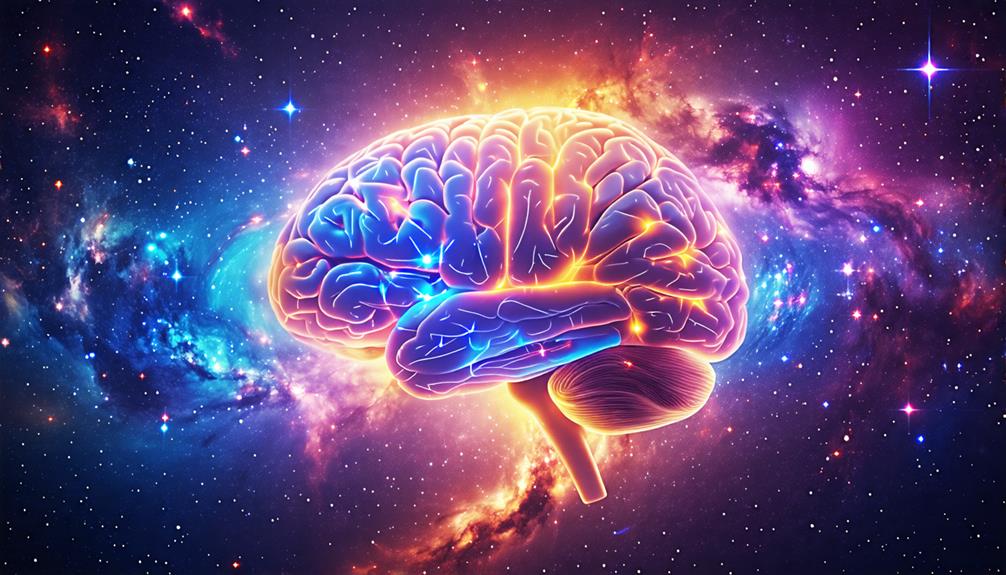
Attention plays a crucial role in how we experience consciousness.
Studies in neuroscience highlight that when we focus on specific stimuli, certain neural pathways light up, helping us filter out distractions.
This process is fascinating because it reveals how our attention can shape our perception of the world around us.
Neural Mechanisms of Attention
Neural mechanisms of attention are fascinating because they fundamentally shape our conscious experience by helping us selectively prioritize the information we encounter in our environment.
Think about it: every day, we’re bombarded with countless stimuli, but our brains have a remarkable way of filtering out what isn’t relevant. This isn’t just a passive process; it actively engages our cognitive resources, which in turn enhances our perception and decision-making abilities.
Let’s break down four key aspects of these neural mechanisms:
- Top-Down Processing: Our attention is often directed by our goals and expectations. For example, if you’re looking for a friend in a crowded café, your brain actively filters out the irrelevant chatter and movements, honing in on faces that match your friend’s appearance.
- Bottom-Up Processing: On the flip side, unexpected or novel stimuli can grab our attention unexpectedly. Think of how a loud noise or a sudden movement can pull your focus away from what you were doing. This showcases the dynamic interaction between what we expect and what’s happening around us.
- Neural Pathways: Specific areas of the brain, including the prefrontal cortex and the parietal lobe, play crucial roles in controlling attention. These regions help determine how we allocate our mental resources, ensuring that we can concentrate on what’s important.
- Attention Networks: Our brains operate through different networks, like the dorsal and ventral attention systems. These networks work together to balance our focus between tasks we’re intentionally pursuing and stimuli that might suddenly catch our attention.
Consciousness and Selective Focus
How does our conscious awareness shape what we choose to focus on, and how does that influence our perception and interaction with the world around us?
Well, our subjective experiences are deeply influenced by cognitive filters that help us process information. When we consciously direct our attention, we can improve our mental clarity and reduce any biases that might cloud our judgment.
We operate on a spectrum of awareness, where selective focus lets us prioritize certain stimuli while ignoring others. This choice of what to concentrate on is quite active; it shapes how we interpret and respond to what we encounter.
Using effective focus techniques can really help sharpen our attention and enhance our performance. Studies have shown that when we understand the link between consciousness and selective focus, we can better harness our cognitive abilities to achieve our goals. This understanding allows us to navigate complex situations more precisely, ensuring that our perceptions align with what we want to achieve.
Ultimately, mastering our focus is crucial for enhancing our conscious experiences and gaining more control over our environment. By being aware of how we focus our attention, we can significantly influence our interactions and outcomes.
The Unconscious Mind
The unconscious mind plays a significant role in shaping our thoughts, behaviors, and decision-making processes, often operating outside of our conscious awareness. It influences how we perceive the world and how we act, thanks to mechanisms like unconscious biases and implicit memories. By understanding this fascinating aspect of our psyche, we can tap into its potential for both personal and professional development.
Here are four key insights about the unconscious mind that you might find interesting:
- Unconscious Biases: These biases can significantly impact our judgments and decisions, often without us even realizing it. They can lead to unfair outcomes in various situations, from hiring practices to everyday interactions. By recognizing and addressing these biases, we can improve our decision-making and foster more equitable environments.
- Implicit Memories: These are memories that form without our conscious awareness, and they can greatly influence our behaviors and preferences. For example, a scent might evoke a pleasant memory from childhood, affecting your mood and choices. By understanding how these implicit memories work, we can make more informed decisions in our lives.
- Emotional Responses: Our unconscious mind is a driving force behind many of our immediate emotional reactions. These responses can dictate how we engage with others and how we respond to various situations. Recognizing this can help us manage our emotions more effectively and improve our interactions.
- Behavioral Patterns: A lot of our habits and daily routines are rooted in unconscious processes. These automatic behaviors guide our actions without us having to think about them. By becoming aware of these patterns, we can consciously change them to achieve better outcomes in our personal and professional lives.
Understanding the unconscious mind isn’t just an academic exercise; it’s a powerful tool for growth and change. By exploring and addressing its influences, we can enhance our decision-making, emotional intelligence, and overall quality of life.
Altered States of Awareness
Altered states of awareness can significantly change how we perceive and interact with the world around us. They often uncover insights about our consciousness that might be overlooked in our day-to-day lives.
For instance, practices like meditation have been shown in studies to induce deep relaxation and heightened awareness, which can lead to cognitive improvements. Research published in journals like *Psychological Science* has highlighted how meditation can enhance focus and emotional regulation.
Dream states are another crucial way to delve into our subconscious. During REM sleep, our brains exhibit high levels of activity that can boost creativity and problem-solving skills. According to the *American Psychological Association*, dreams may help us process emotions and experiences, allowing for a unique form of self-reflection.
Psychedelic experiences are gaining traction in scientific circles for their potential to reshape our understanding of self and reality. Emerging neuroscience research, including studies from institutions like Johns Hopkins University, suggests that psychedelics can lead to significant psychological breakthroughs and shifts in perspective.
Flow states are equally fascinating; they occur when we’re fully immersed in an activity, allowing us to utilize our cognitive abilities to their fullest. According to *Psychology Today*, achieving flow can enhance performance in various fields, from sports to arts and even work.
Sensory deprivation techniques, such as floatation therapy, provide a distinct way to examine how external stimuli influence our consciousness. Studies have indicated that such practices can lead to relaxation and may even foster creative thinking.
Trance states, often reached through hypnosis, offer access to deeper layers of the mind. Research suggests that hypnosis can facilitate therapeutic benefits, such as pain management and improving learning outcomes.
Finally, understanding our sleep cycles is crucial for maintaining cognitive health. The National Sleep Foundation emphasizes the importance of restorative sleep for memory consolidation and overall brain function.
Theories of Conscious Experience
Understanding altered states of awareness has led us to explore various theories of conscious experience, each offering unique insights into how we perceive reality and ourselves. These theories not only deepen our understanding of consciousness but also challenge our ideas about subjective awareness and cognitive structure.
- Phenomenal Experience: This theory focuses on the richness of our sensory modalities and how they shape our conscious experience. It’s all about the ‘what it’s like’ aspect of consciousness, emphasizing how our senses contribute to our awareness of the world.
- Integrated Information Theory (IIT): Proposed by neuroscientist Giulio Tononi, this theory suggests that consciousness arises from the integration of information across different cognitive processes. IIT even offers a way to quantify consciousness, providing a mathematical framework to gauge the complexity of conscious experiences.
- Self-Awareness Theories: These theories investigate how our intentional states, such as thoughts and emotions, contribute to our understanding of the self. They highlight the idea that consciousness is tied to our ability to reflect on our own mental states, which is a crucial part of what makes us human.
- Qualia Debates: These discussions center on the subjective qualities of our experiences, known as qualia. There’s an ongoing debate about whether these qualitative aspects can ever be fully captured through objective scientific measures. This raises fascinating questions about the nature of experience itself.
When we look at these theories together, they provide a rich, multifaceted view of conscious experience. They help us appreciate the complexities of our mental landscape and the intricate interplay of awareness, intention, and perception.
Exploring these ideas can be both intriguing and enlightening, shedding light on the profound mystery of consciousness itself.
Implications for Artificial Intelligence
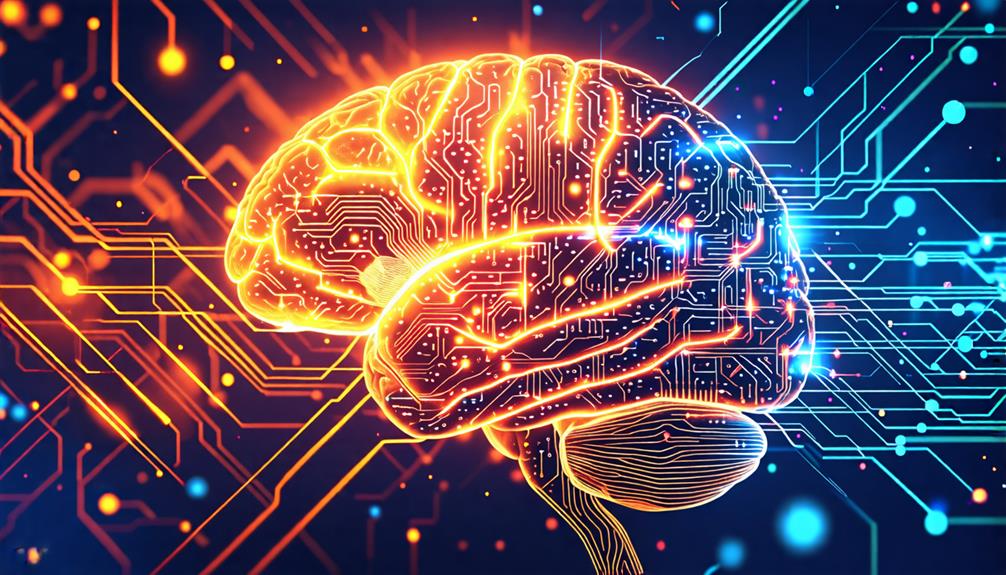
As we dive into the implications of neuroscience on artificial intelligence, it’s fascinating to consider how insights into the brain’s neural mechanisms can shape the development of AI systems. Research in neuroscience has revealed a lot about how we process information, learn, and even make decisions, which can inform more effective algorithms in AI.
However, one of the biggest challenges we face is simulating consciousness. This issue raises important questions about what it truly means to be conscious and whether AI can ever reach that level of awareness. Current AI systems, like those based on deep learning, can perform tasks that seem intelligent but lack genuine understanding or self-awareness, highlighting the limitations of our technology.
Moreover, we can’t overlook the ethical implications of creating machines that might resemble human-like awareness. As AI technology advances, we must carefully consider the potential consequences of developing systems that could be mistaken for sentient beings. This includes discussions on rights, responsibilities, and how we treat these entities, which are becoming increasingly relevant in today’s society.
It’s a complex and evolving conversation, and staying informed is crucial as we move forward.
Understanding Neural Mechanisms
Exploring the intricate neural mechanisms behind consciousness can significantly enhance our efforts to develop artificial intelligence systems that closely resemble human cognitive processes. By delving into how neural pathways operate and how the brain integrates sensory information, we can create AI that not only processes data but also engages in complex reasoning.
Here are four important insights we can utilize:
- Mapping Neural Pathways: Research into the specific neural pathways activated during conscious thought reveals critical patterns that we could replicate in AI algorithms. This understanding can elevate AI’s decision-making capabilities, making them more akin to human thought processes.
- Sensory Integration: Insights from neuroscience about how our brains combine various sensory inputs can inform the design of AI systems that interpret and respond to real-world stimuli more effectively. This could lead to AI that’s better equipped to navigate complex and ever-changing environments.
- Modularity of Consciousness: Studies suggest that consciousness can be decomposed into distinct modular components. Recognizing this can help us create advanced AI systems that can function independently while also collaborating with other systems, much like different areas of the human brain work together.
- Adaptive Learning: Our understanding of how the brain learns and adapts over time can guide the development of AI that evolves through experience. Such systems could become increasingly efficient and capable as they encounter new challenges, much like humans do.
Consciousness Simulation Challenges
Simulating consciousness in artificial intelligence is no small feat; it raises significant ethical, technical, and philosophical questions that we need to dive into. As we dig into the debates surrounding consciousness, we must face the limitations of today’s AI technologies. Sure, we can mimic some cognitive functions, but to truly replicate human consciousness, we need to grasp the nuances of subjective experiences and self-awareness—both of which remain quite mysterious.
One major hurdle in this quest is distinguishing between simply behaving like a conscious being and actually possessing genuine awareness. Traditional computational models can generate responses that seem intelligent, but they fall short when it comes to the qualitative experiences we typically associate with consciousness. This brings up an interesting question: Are our definitions of consciousness too narrow, or are we just not technologically advanced enough to replicate it?
Then there’s the complexity of neural networks and how different brain regions are interconnected, which makes our efforts to simulate consciousness even trickier. As we tackle these challenges, it’s crucial to consider the potential implications of creating beings that could, theoretically, have consciousness.
This isn’t just about advancing AI; it’s about rethinking our understanding of consciousness itself and being critical about our goals in this field. In short, the journey of exploring AI consciousness is as much about examining our own beliefs and values as it’s about technological innovation.
Ethical Considerations in AI
The quest to replicate consciousness in artificial intelligence opens up a complex landscape of ethical considerations that we need to navigate carefully. As we delve deeper into AI development, it’s crucial to set up strong frameworks to guide our decision-making. Here are four important areas we should focus on:
- AI Ethics: It’s essential to establish clear ethical standards that dictate how AI behaves. These standards should resonate with human values and societal norms. For instance, organizations like the IEEE and the EU have been working on guidelines to ensure that AI systems are designed with ethical principles in mind.
- Moral Implications: The creation of conscious AI entities raises significant moral questions. We need to consider their rights and the potential impact of their decisions. For example, discussions around AI rights draw parallels to debates about animal rights, emphasizing the need for a thoughtful approach to the moral status of AI.
- Responsibility and Accountability: As the creators of AI systems, we have a responsibility to ensure their safety and reliability. This means developing accountability measures that can address any harmful outcomes that result from AI decisions. A notable case was the 2016 incident involving a self-driving car, which highlighted the importance of clear accountability in AI systems.
- Bias Mitigation and Transparency Guidelines: To protect against unintended societal consequences, we must implement rigorous strategies to reduce bias in AI. Transparency is key here; guidelines promoting fairness in AI operations can help build trust and ensure that AI systems serve everyone equitably. For example, initiatives like the AI Fairness 360 toolkit by IBM aim to help developers identify and mitigate bias in their algorithms.
In the end, creating comprehensive regulatory policies is vital to address these complex challenges. By doing so, we can harness the potential of AI while minimizing associated risks. Engaging in these discussions will help us ensure that AI technology benefits humanity in a fair and ethical manner.
Frequently Asked Questions
How Do Emotions Affect Our Conscious Experiences?
Emotions play a significant role in shaping our conscious experiences. Studies have shown that when we manage our emotions effectively, it can lead to improved brain connectivity. This enhanced connectivity helps us process information more efficiently and make decisions that can positively impact our lives. Ultimately, our emotional states shape how we perceive situations and influence our actions.
For example, research published in psychological journals suggests that individuals who practice emotional regulation techniques, like mindfulness or cognitive reappraisal, often report better mental health outcomes and clearer decision-making. So, mastering our emotions not only helps us feel better but also helps us navigate the complexities of life with greater clarity and purpose.
Can Consciousness Exist Without a Functioning Brain?
We’re diving into a fascinating question: Can consciousness exist without a functioning brain? Current evidence indicates that when someone is declared brain dead, they lack the neurological underpinnings necessary for awareness. This challenges the idea of non-physical awareness and brings up some deep questions about what consciousness really is. It’s a topic that not only intrigues scientists but also raises philosophical implications about the nature of our mind and existence.
What Role Does Memory Play in Consciousness?
Memory is pivotal to our understanding of consciousness. It’s through memory encoding that we create and store our experiences, while memory retrieval enables us to access those experiences. This process not only shapes our awareness but also influences our decisions and actions in real time. Research in neuroscience supports this idea, showing how different types of memory—like episodic and procedural—play distinct roles in how we perceive the world and interact with it. So, in essence, our memories help construct our conscious experience, guiding us based on past encounters and learned information.
Are Animals Conscious Like Humans?
As we dive into the intriguing topic of consciousness in animals, it’s fascinating to see just how diverse their cognitive abilities can be. Research has shown that various species exhibit different levels of awareness, from problem-solving skills in crows to the complex social structures of dolphins. Studies have indicated that animals like elephants and primates display behaviors that suggest a sense of self, empathy, and even mourning.
Understanding animal consciousness not only broadens our perspective on what it means to be sentient but also challenges us to consider the ethical implications of our interactions with these beings. As we learn more through scientific research and observations, we begin to appreciate the rich tapestry of life that exists beyond human experience. It’s a reminder that consciousness isn’t solely a human trait; many animals share this remarkable aspect of existence.
How Does Sleep Impact Our Conscious Awareness?
Sleep really plays a crucial role in shaping our conscious awareness. Research shows that different stages of sleep, like REM (Rapid Eye Movement) and non-REM sleep, have distinct impacts on our cognitive functions. For example, during REM sleep, when most dreaming occurs, our brain is highly active, which can enhance memory consolidation and emotional regulation. Studies have found that our dreams can reflect our thoughts and experiences, providing insights into our mental processes.
What Neuroscience Reveals About Consciousness
When we dive into the depths of consciousness, we come across some fascinating insights that really challenge our understanding of the mind.
Research has revealed neural correlates and highlighted the complex interactions of brain networks, showing that there’s still so much more to learn.
The mysteries surrounding our unconscious thoughts and altered states of consciousness suggest there’s a vast realm of awareness that we’ve yet to explore.
As we continue to push the boundaries of neuroscience, it’s becoming clear that we’re not just studying consciousness—we’re embarking on a journey that could fundamentally change our perception of what it means to be human.


